Fewer data entry errors
Controlled vocabularies and taxon lookups keep entries consistent. Work in progress on outlier detection to catch typos and implausible measurements while the specimen is still in hand.
Natural History Project Utility
Rethinking biodiversity inventories in the digital age
NAHPU is a cross-platform digital field catalog for natural history collections, aimed to accelerate the discovery and documentation of biodiversity. It keeps specimen records and digital assets linked and consistent, minimizing data-entry errors before records move into permanent museum databases. Flexible exports let the exact same records be shared with collaborators and prepared for bulk import into museum databases or for downstream analyses, without re-entering the data.
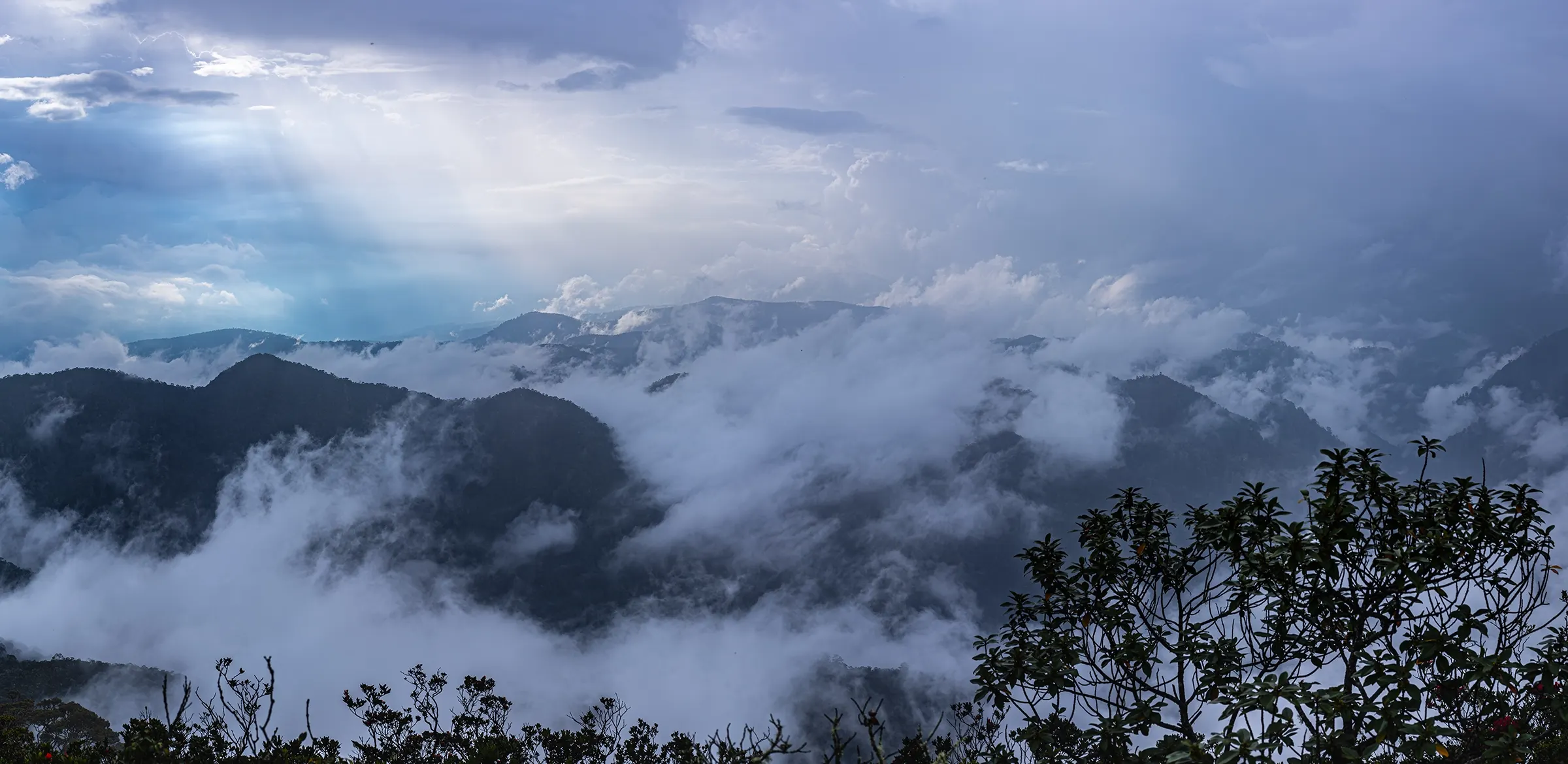
Background photograph taken on Mt. Bandahara, Indonesia, by Heru Handika.
Why it exists
Field notebooks, camera cards, and spreadsheets rarely reconcile cleanly once an expedition ends. NAHPU keeps the record complete and internally consistent from the moment the specimen is in hand.
Controlled vocabularies and taxon lookups keep entries consistent. Work in progress on outlier detection to catch typos and implausible measurements while the specimen is still in hand.
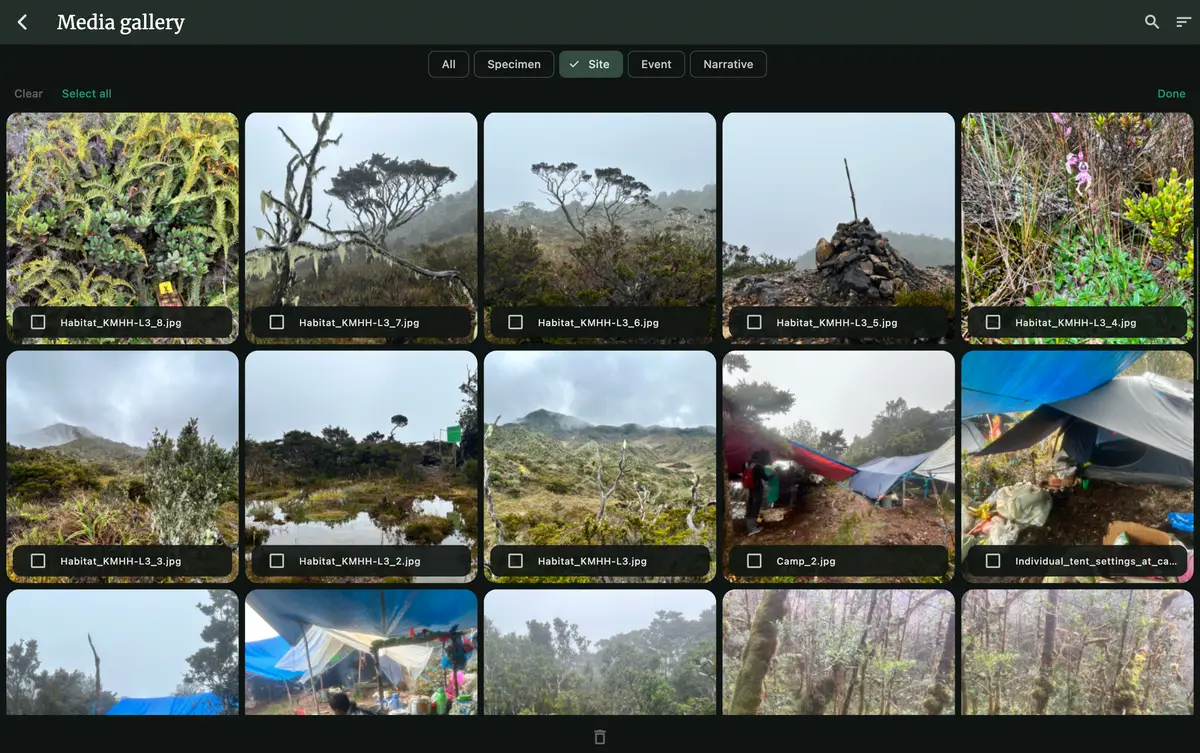
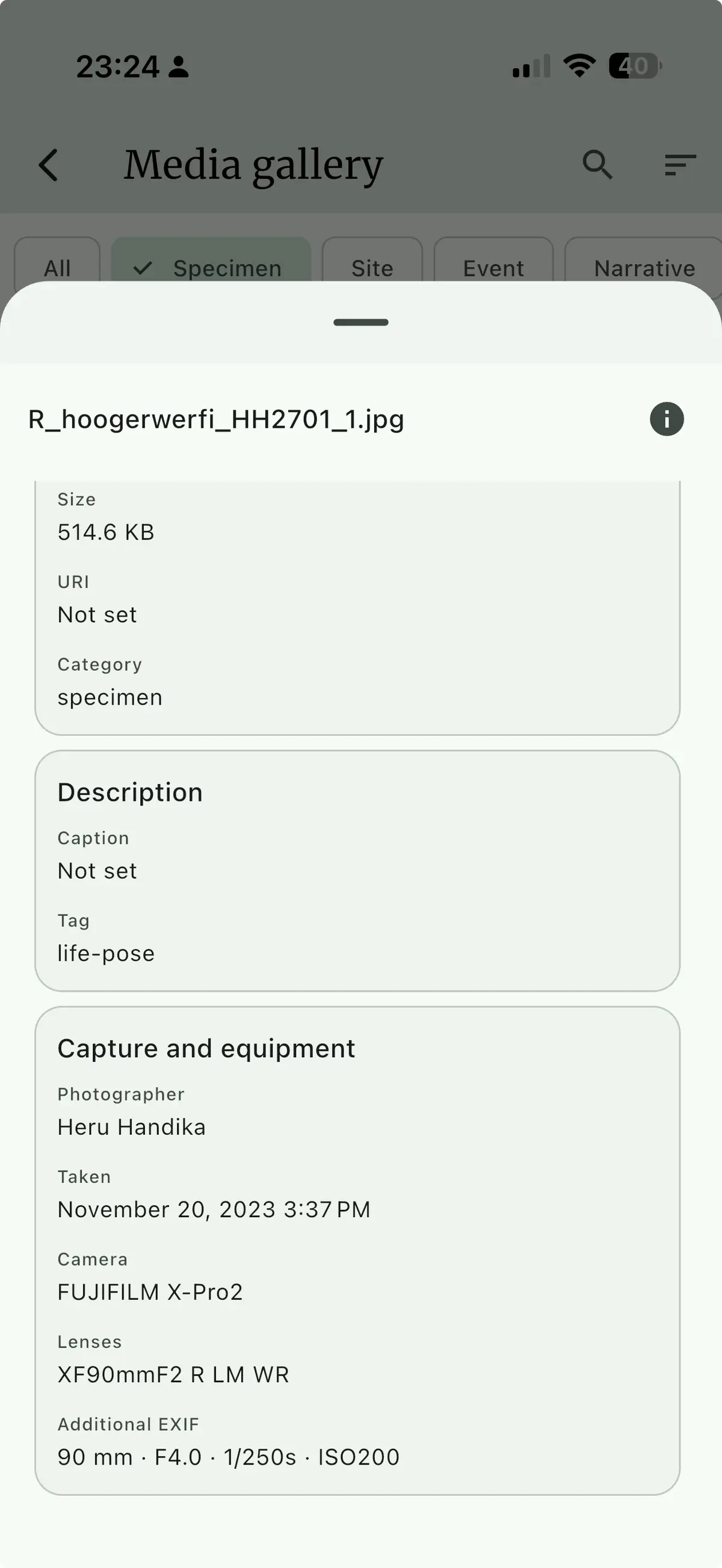
Photographs, audio, and video attach to the specimen, site, event, or narrative they document, so nothing is orphaned in a camera folder with only a timestamp to identify it.
Localities with unlimited coordinates, collecting effort, preparation details, and habitat condition are written once, then reused by every specimen and event that shares them.
Digital capture reaches beyond paper. Ongoing work on emerging machine learning methods will read a growing catalog in real time, surface distinct morphospace, and guide decisions in the field.
Inside the catalog
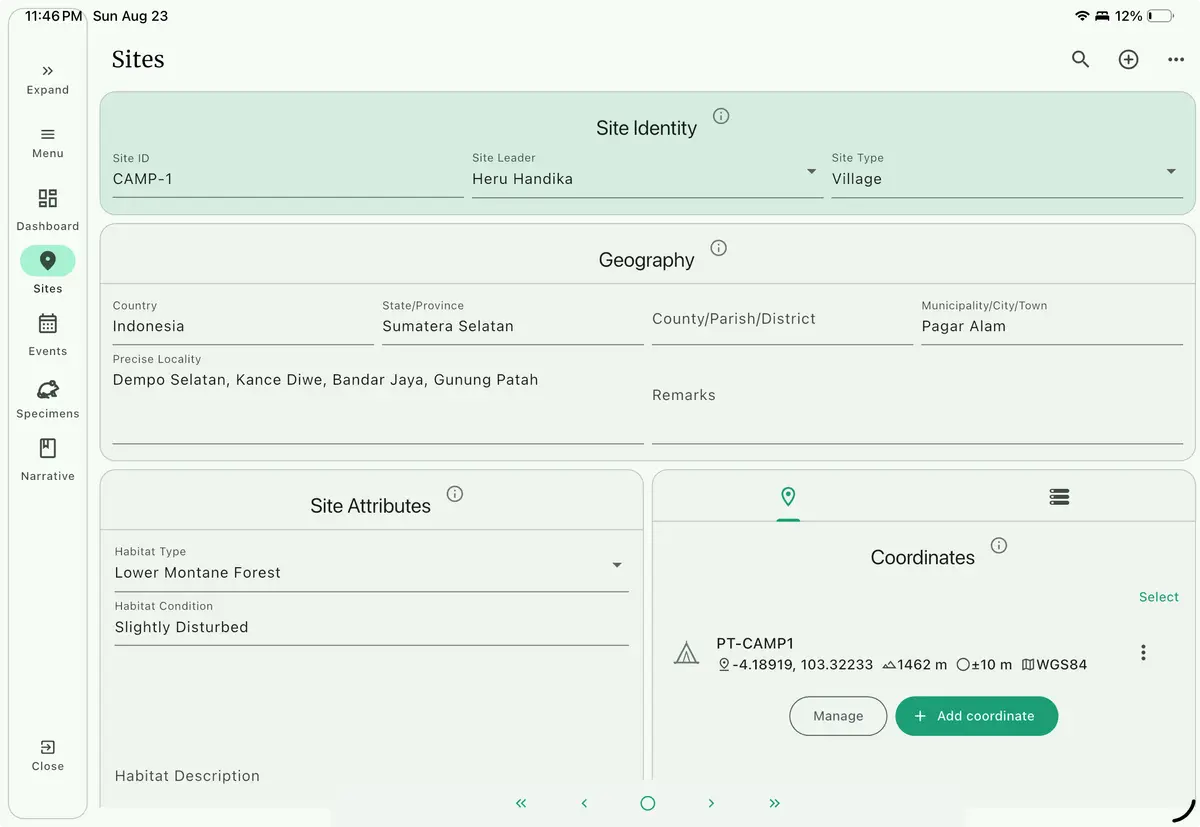
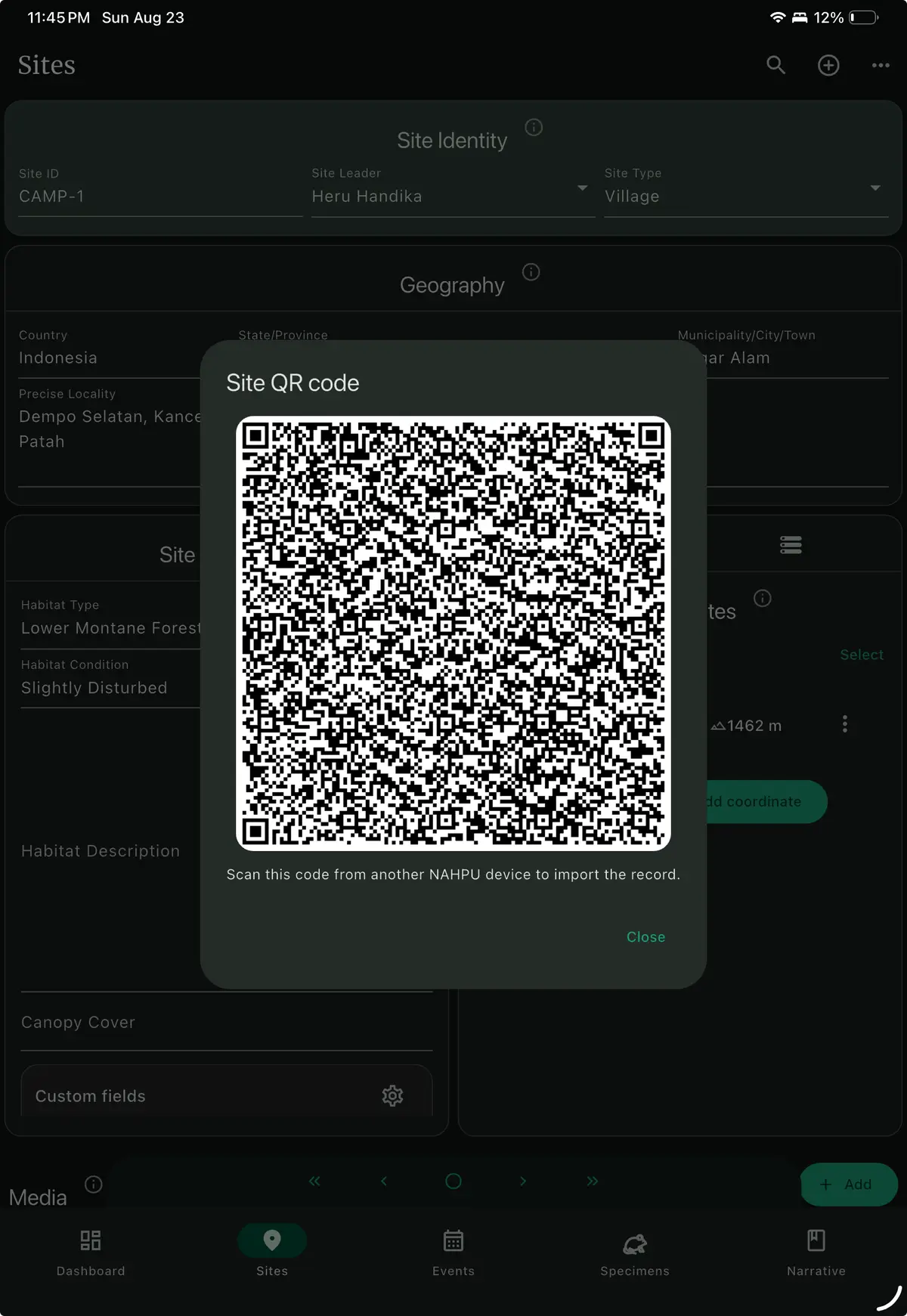
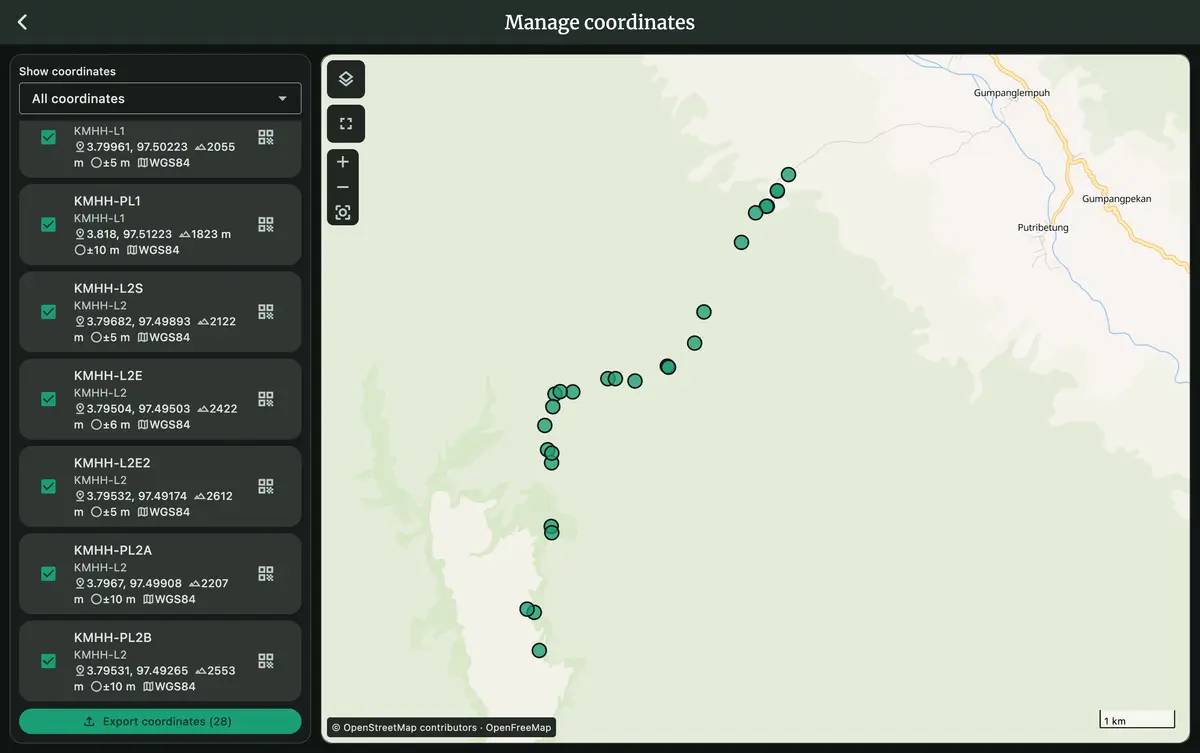
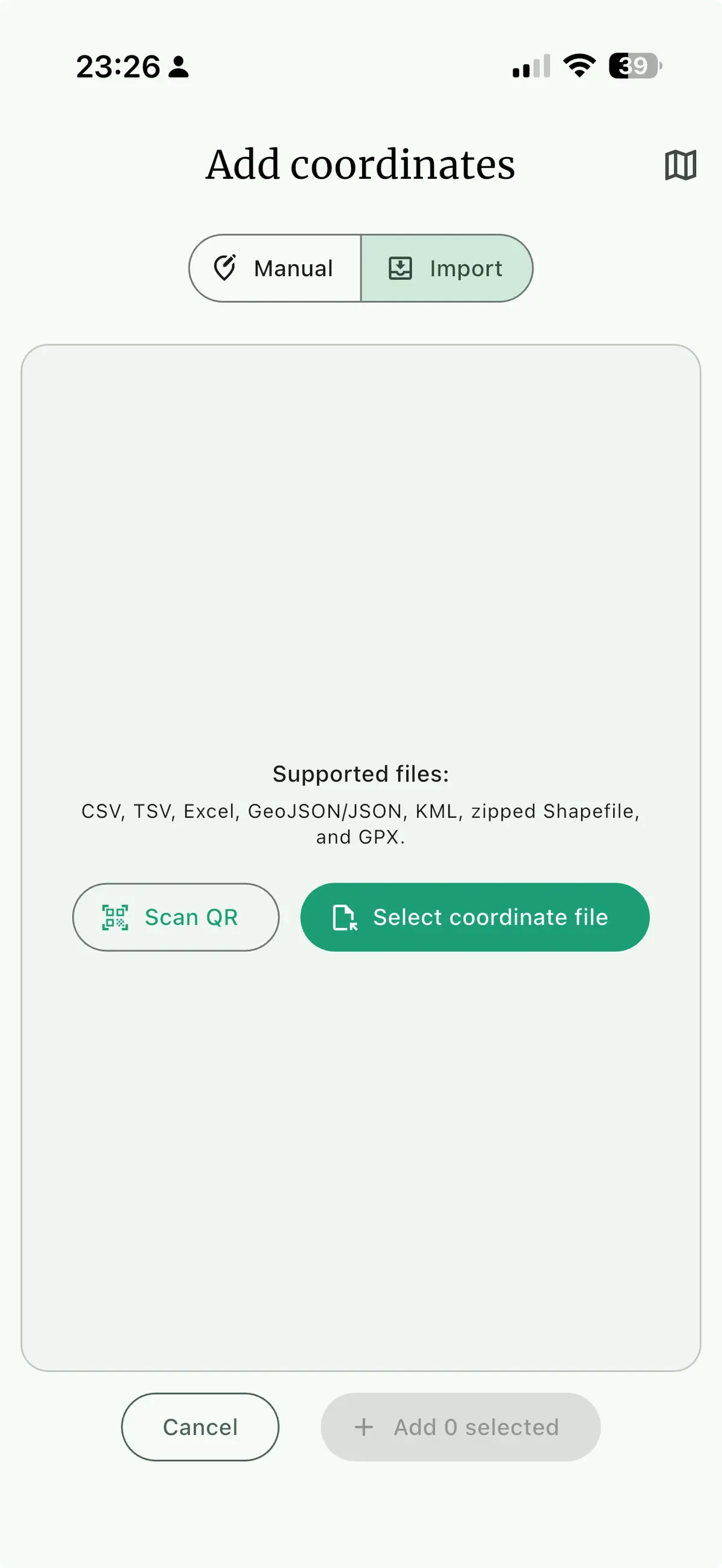
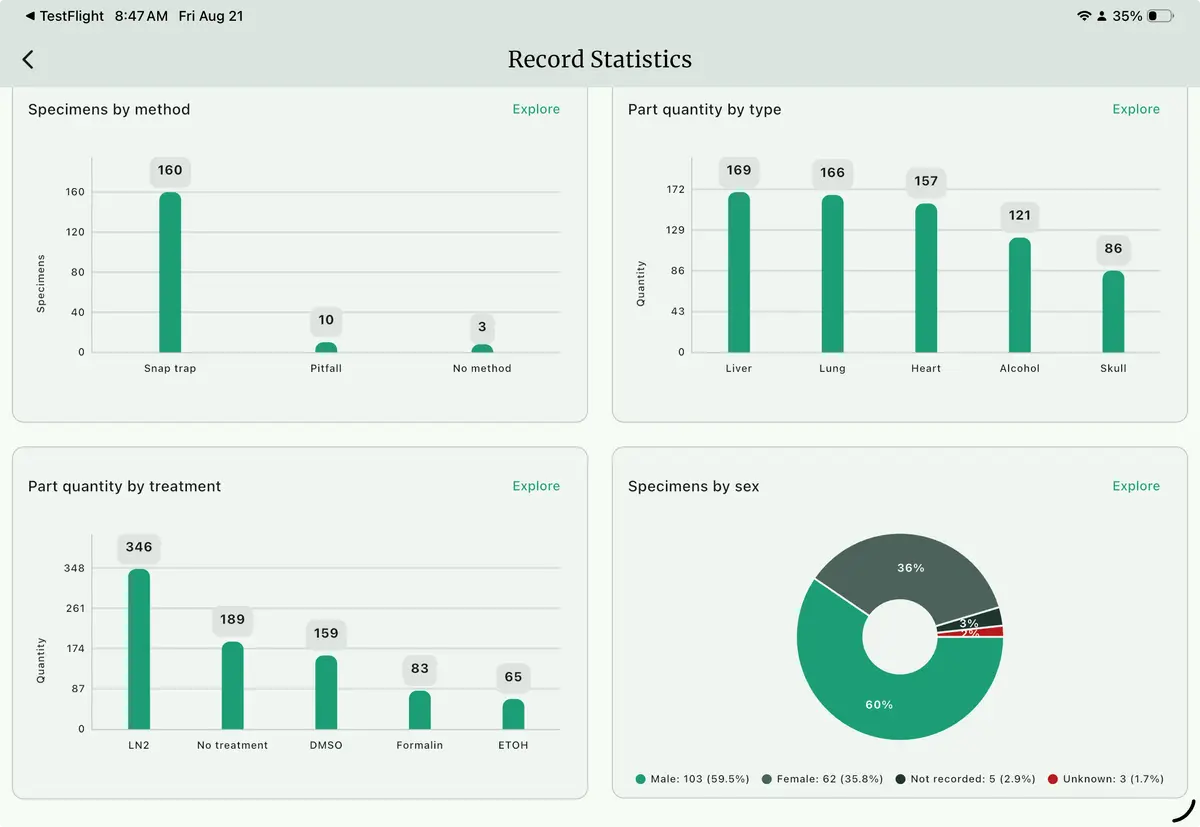
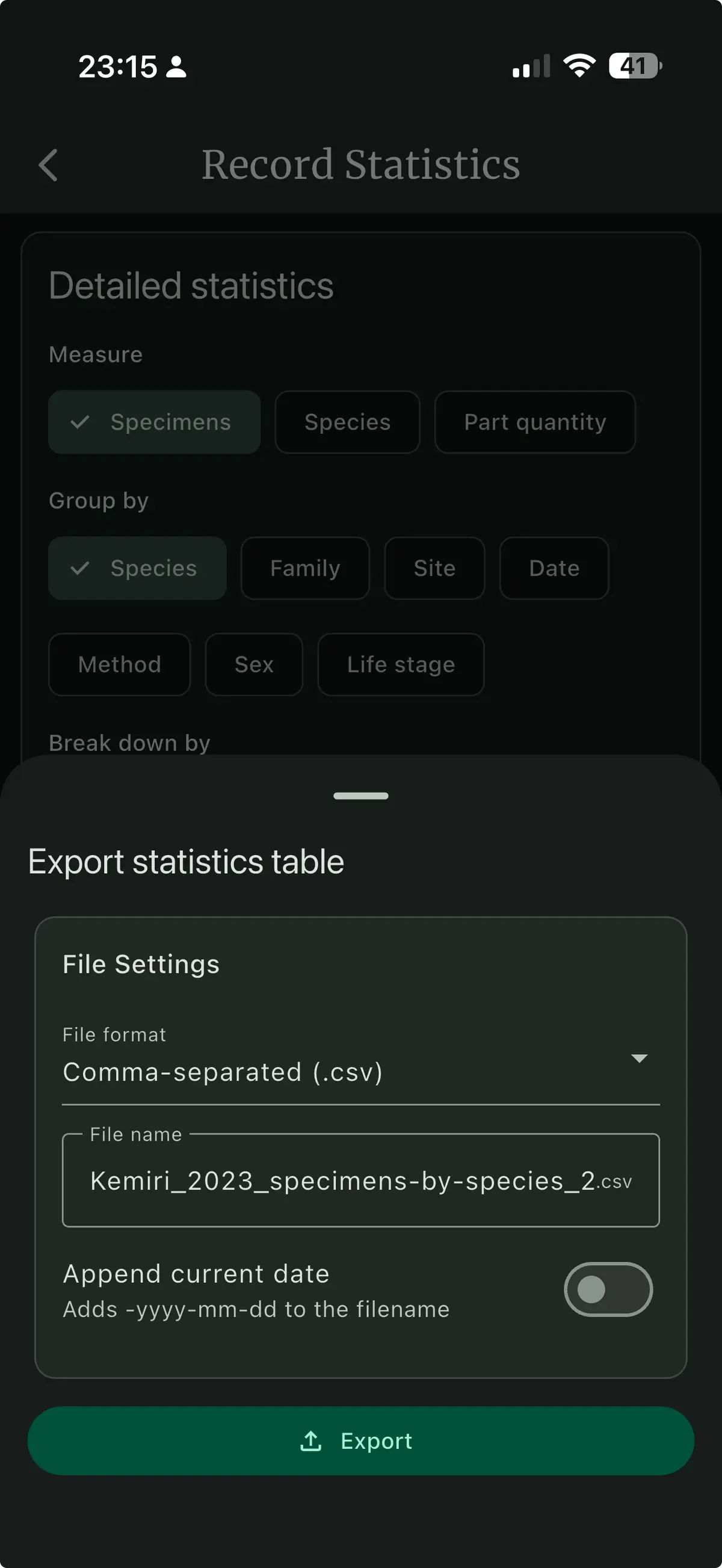
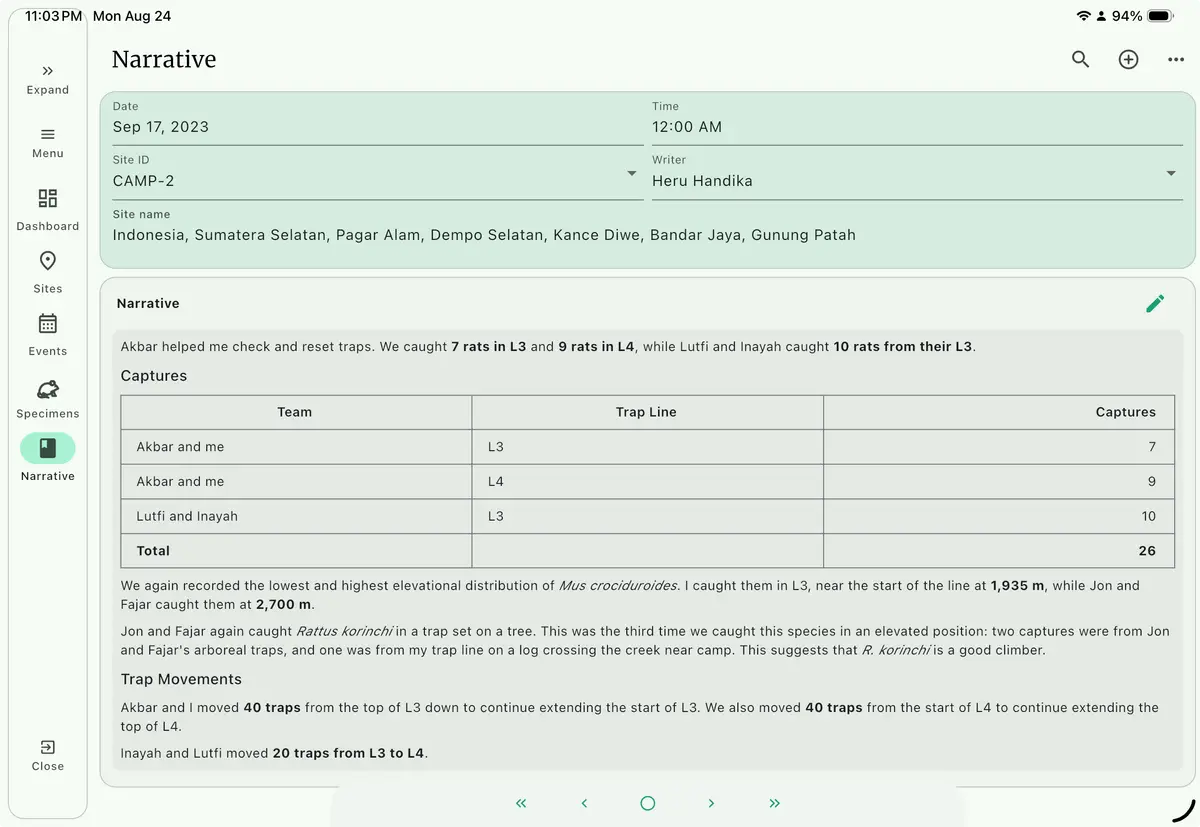
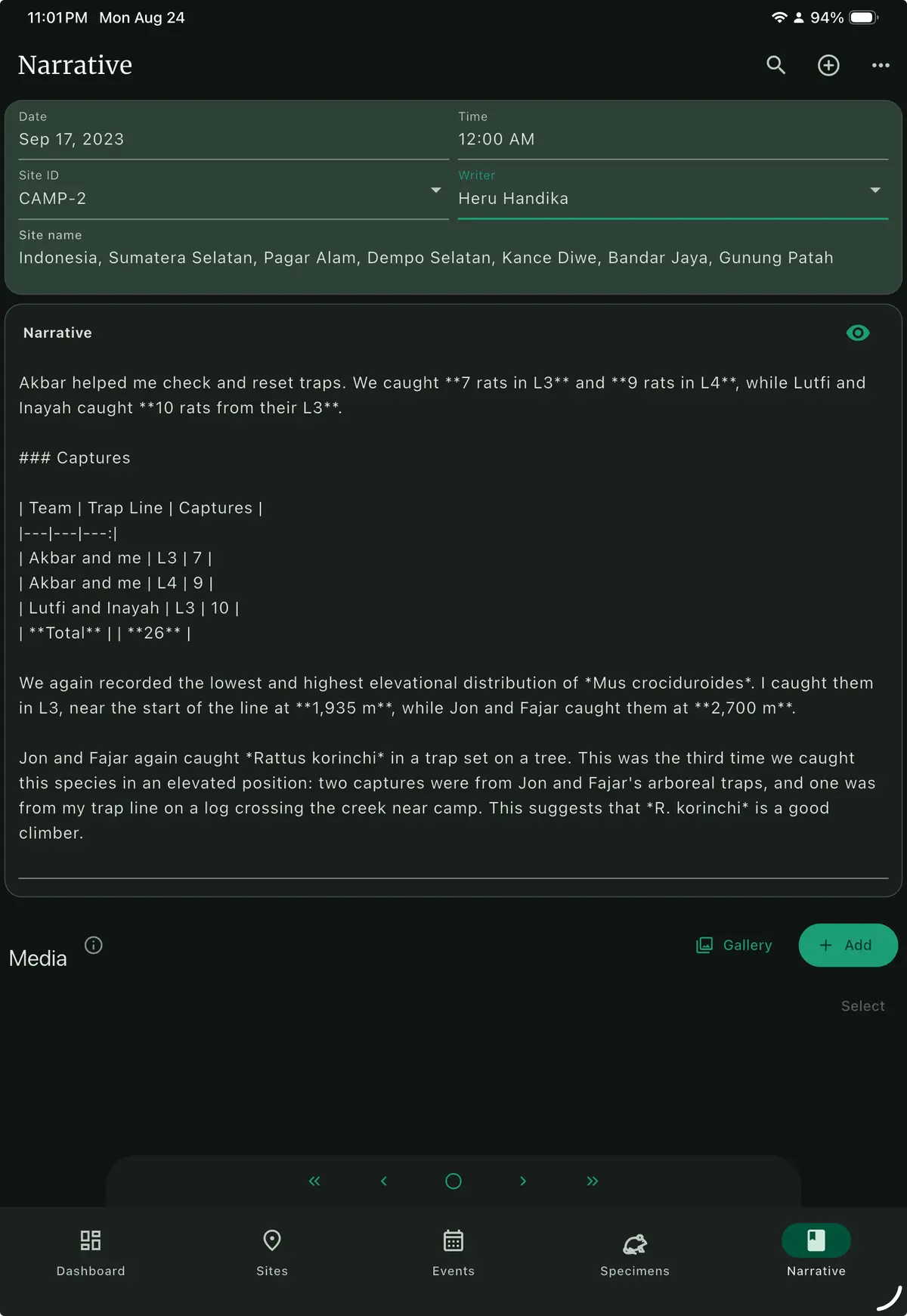
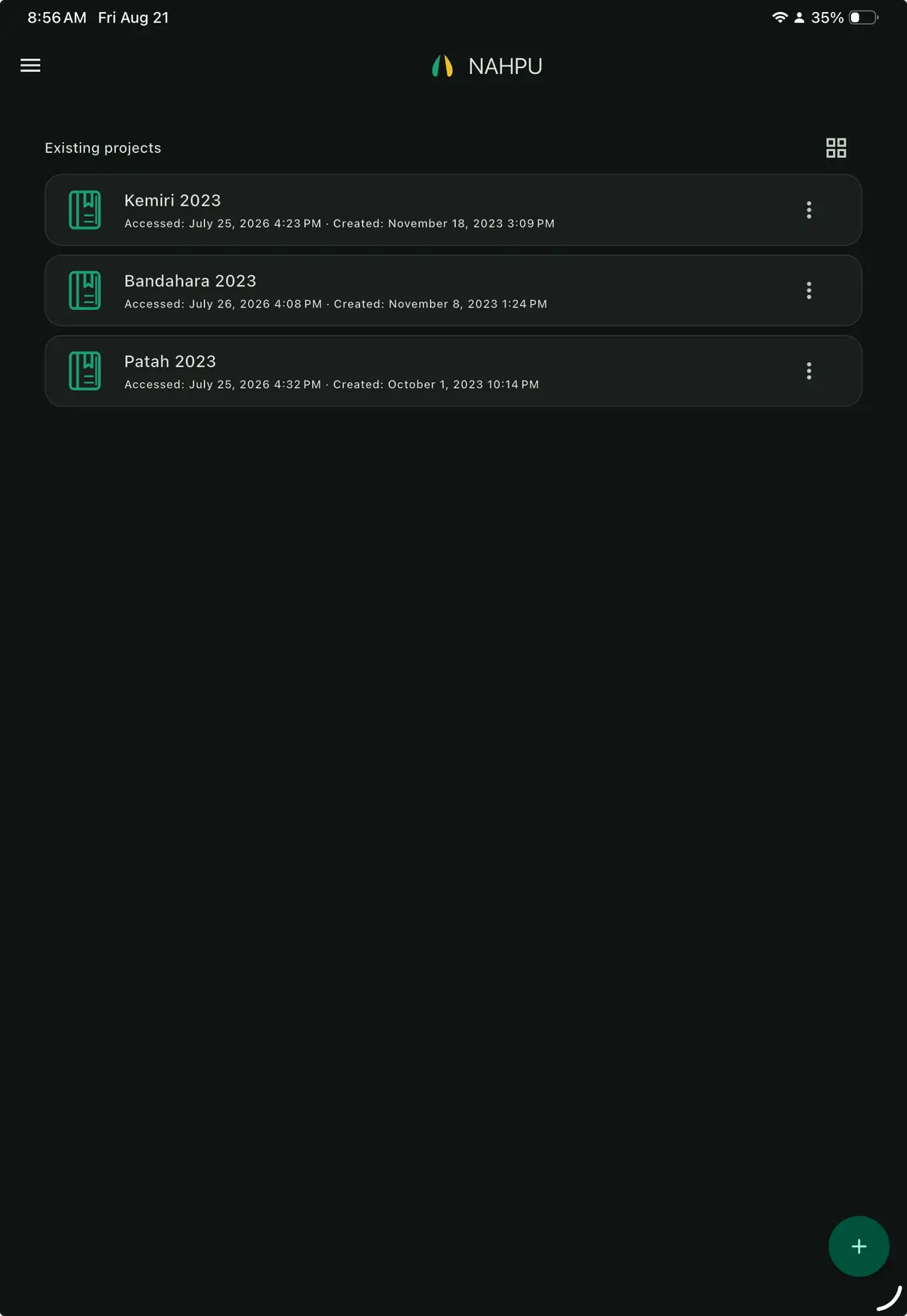
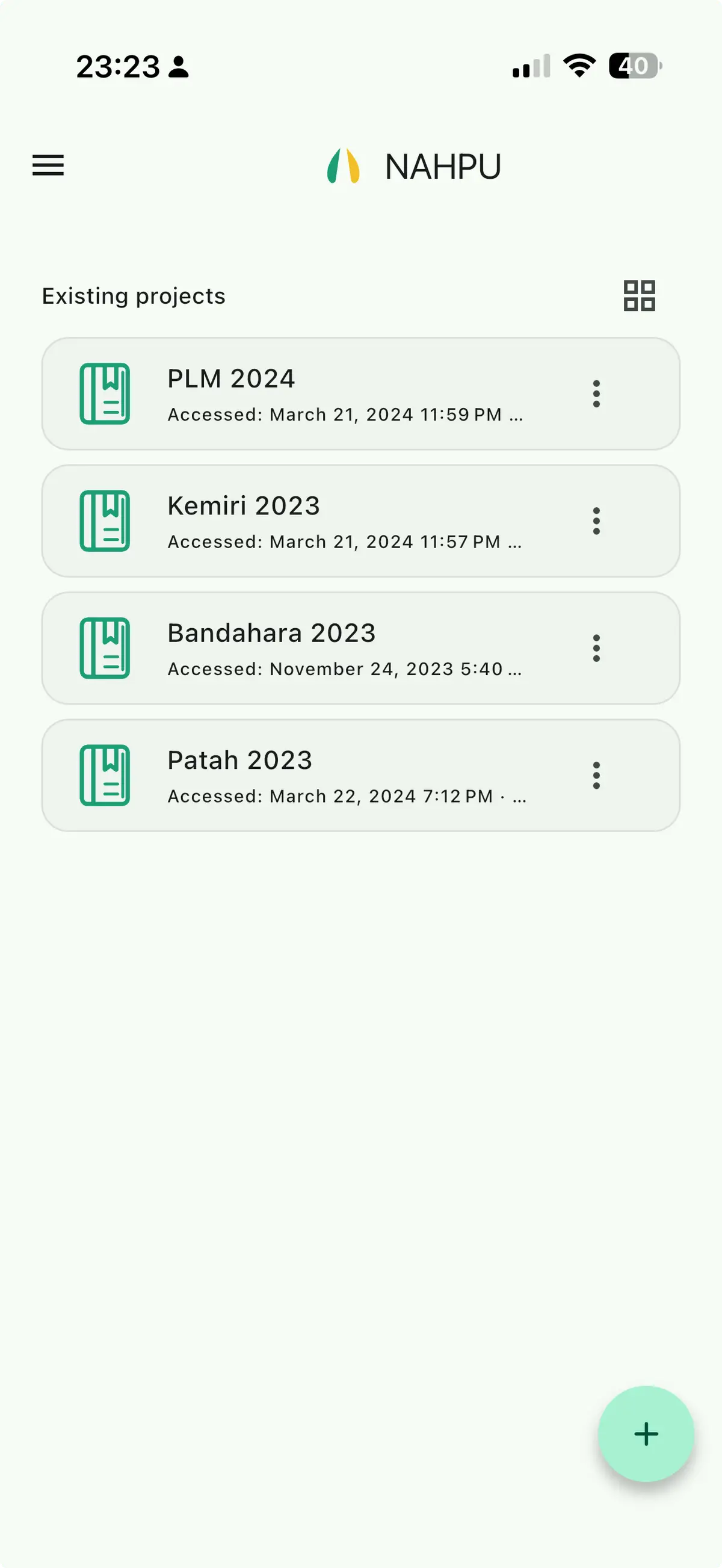
One project seen from the specimen, site, map, media library, statistics, narrative, and export interfaces. NAHPU features a single, unified system to collect as much information possible. The forest you survey today, may be gone tomorrow. Not trying to be overly dramatic. It's is a reality, and one reason natural history works are so important.
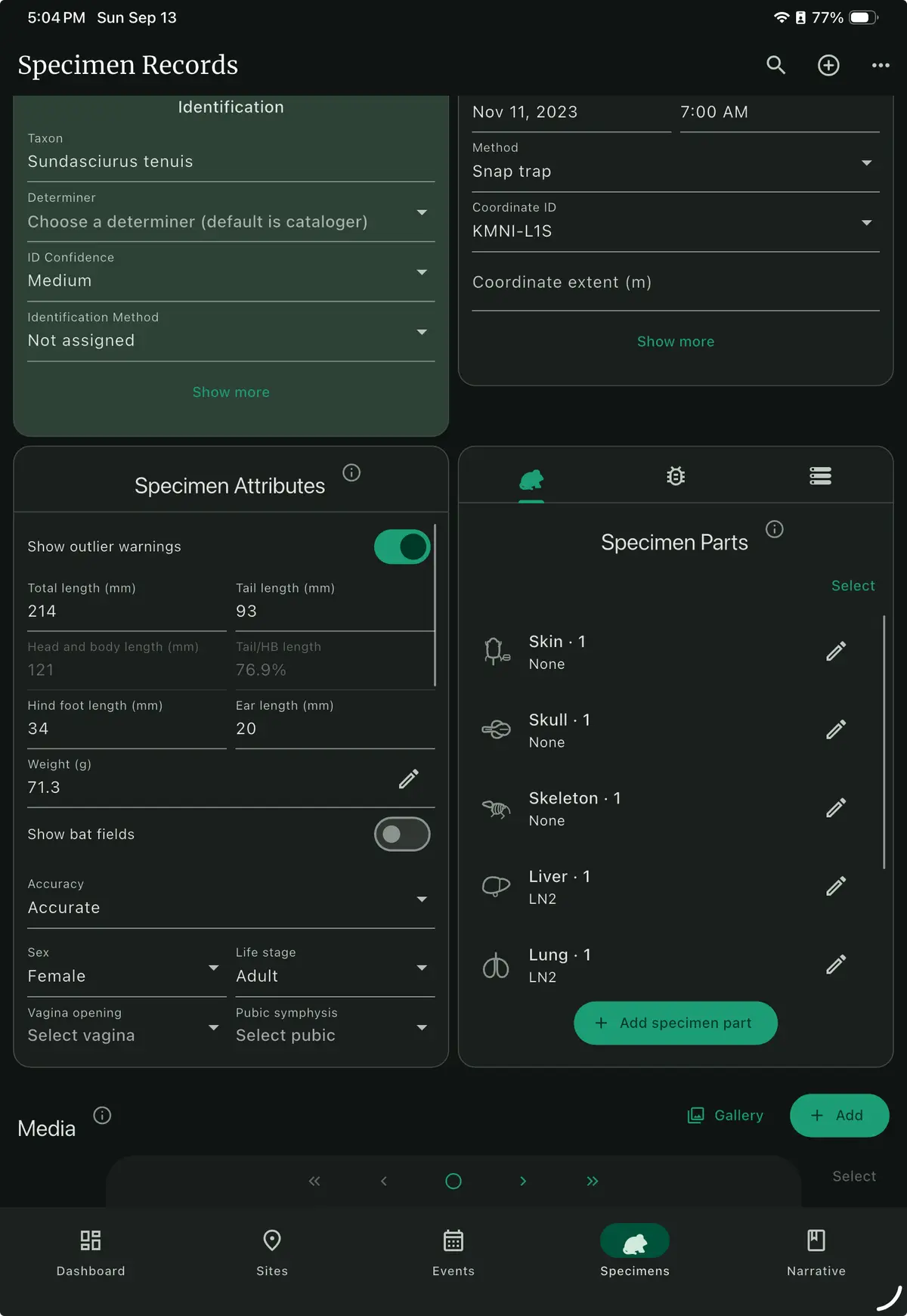
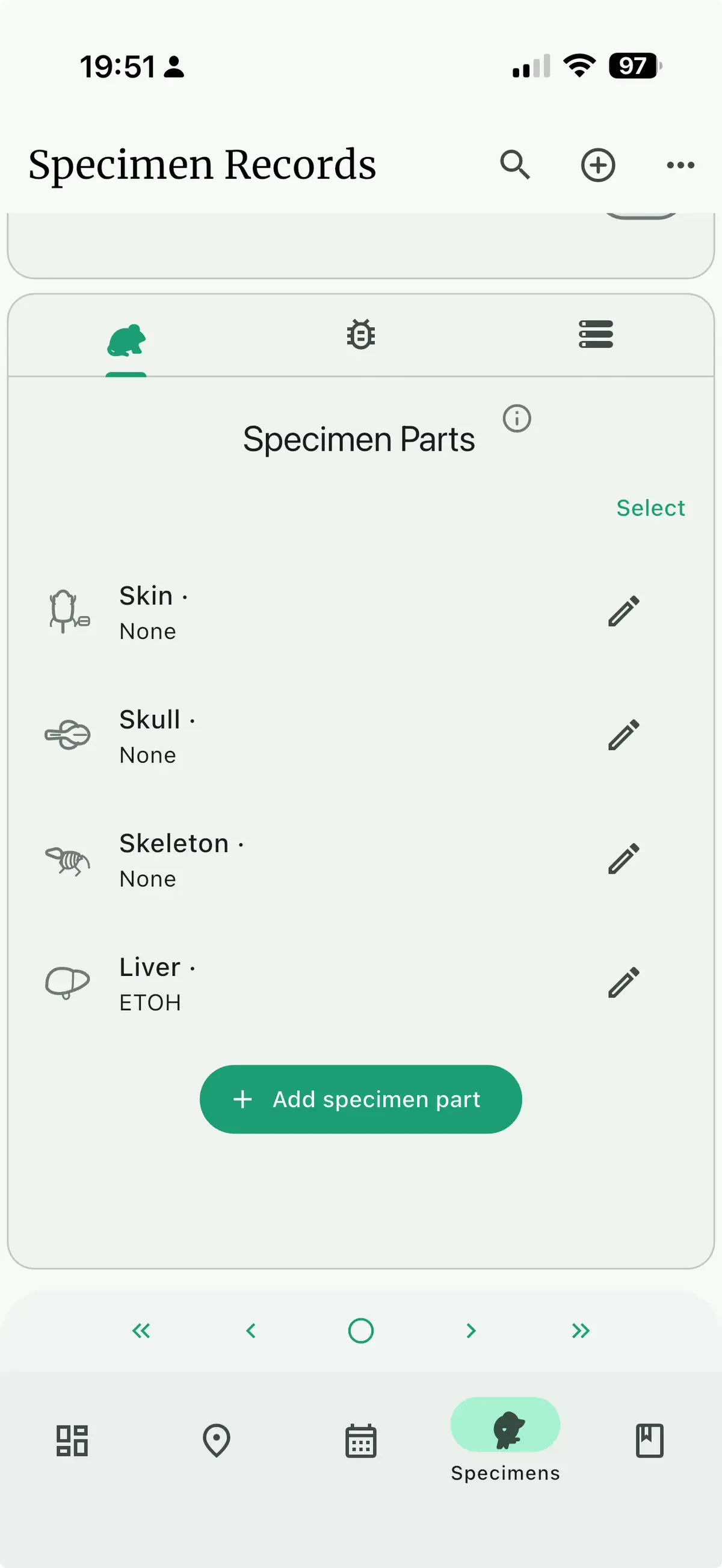
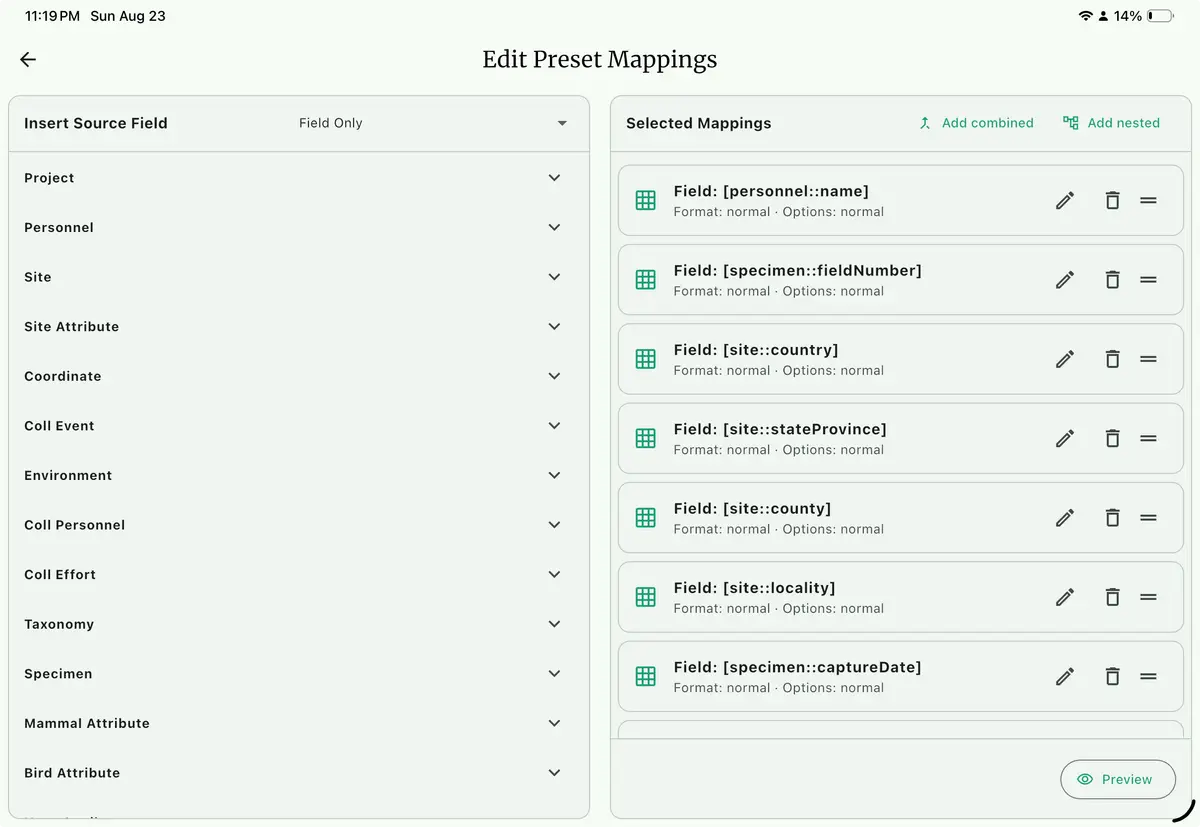
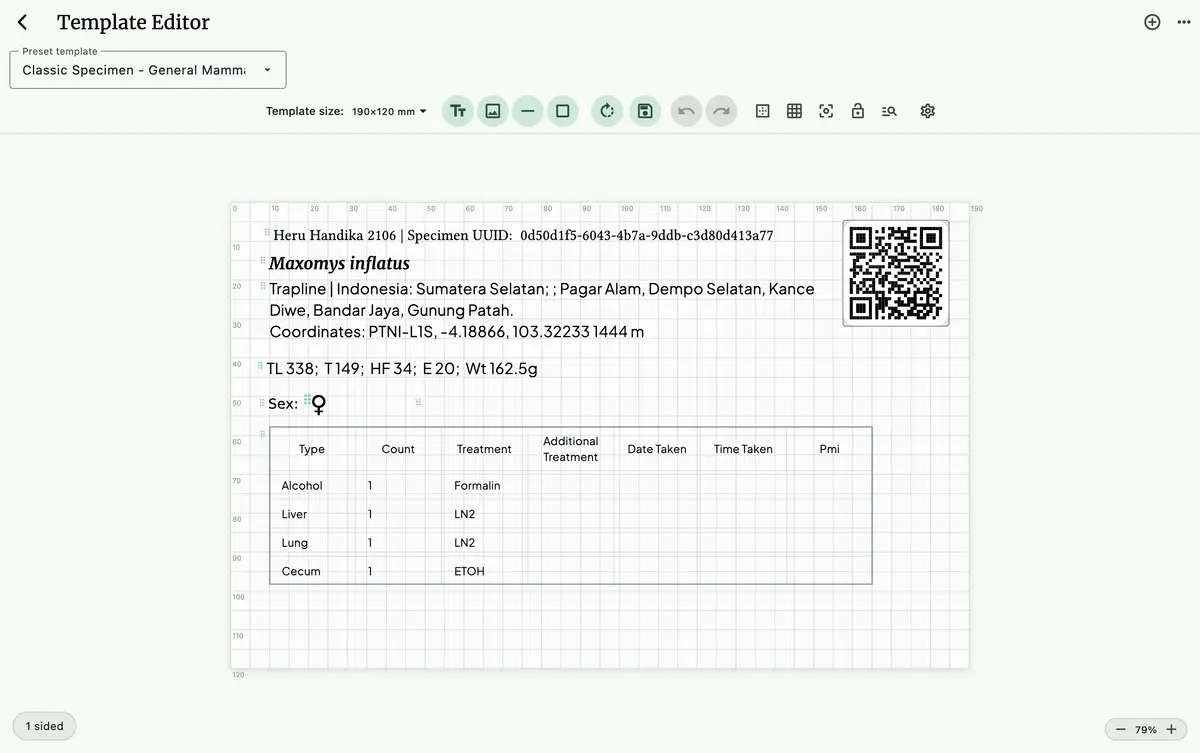
Field number, collector, taxon, condition, and preparation stay beside the measurements. Specimen attributes support adding a custom field to store additional information. Outlier warnings (work in progress) mark values that fall outside the expected range for the taxon before the record is committed.
The records shown in these screens are for illustrative purposes only and do not reflect real field data.
Catalog formats
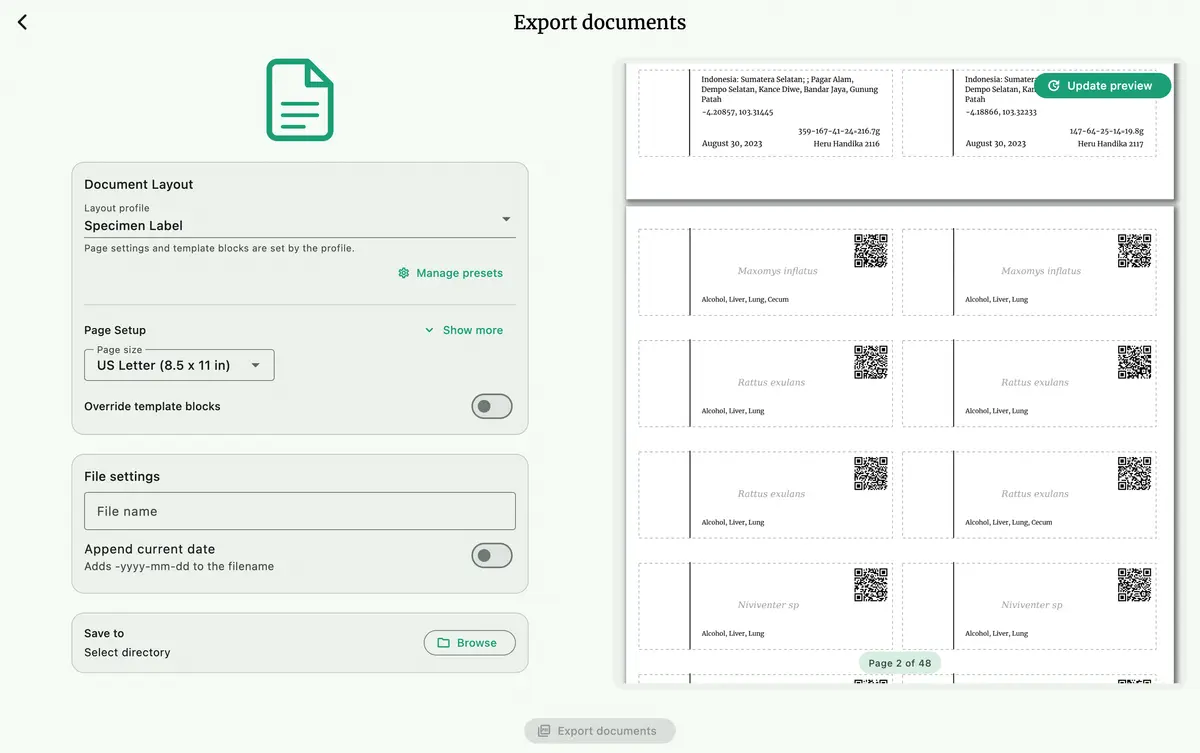
Each format is fine-tuned for its discipline, and a single project can hold more than one format. You can add custom fields to any format, and the app will remember them for the next specimen of that taxon.
From the field
Behind each catalog number is an animal, a locality, and a night of fieldwork. NAHPU keeps the photographs with the specimen data they belong to. You can also record audio and videos directly in the app, and attach them to the record they document.
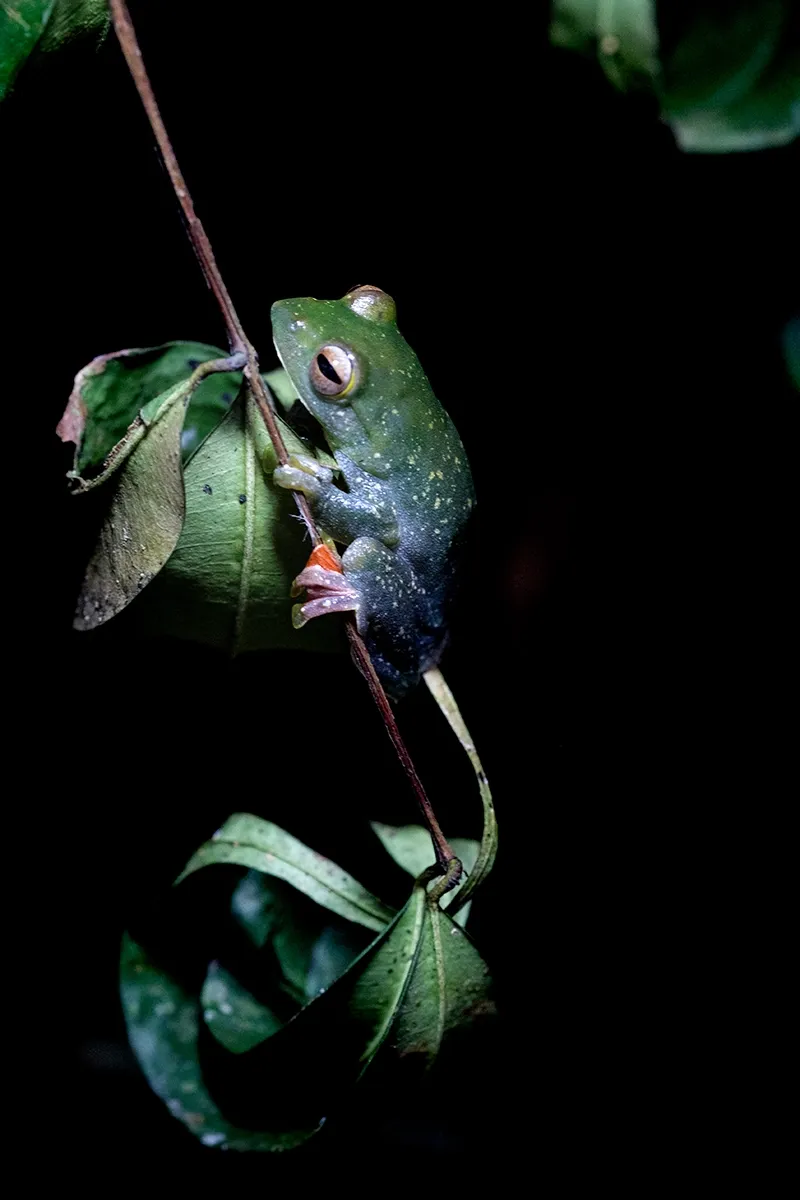
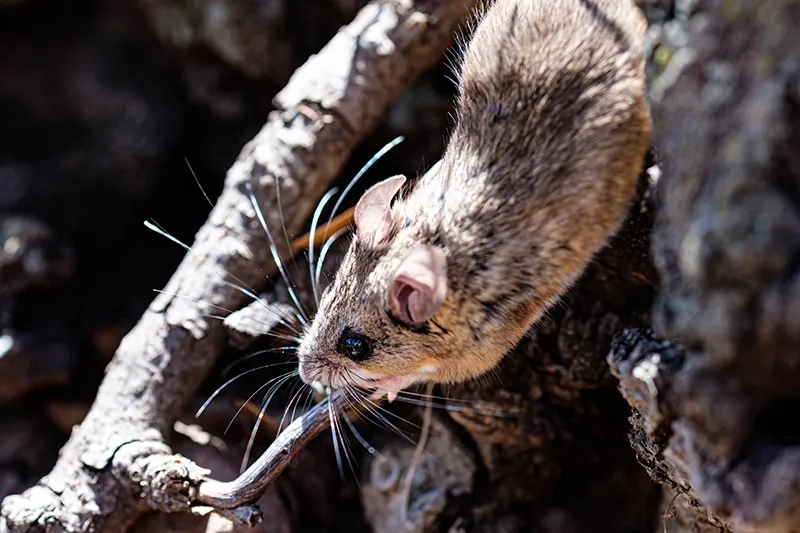
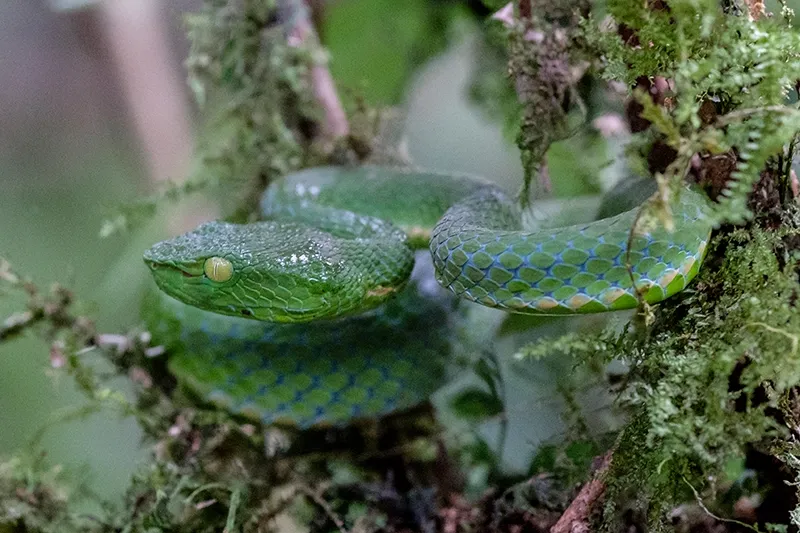
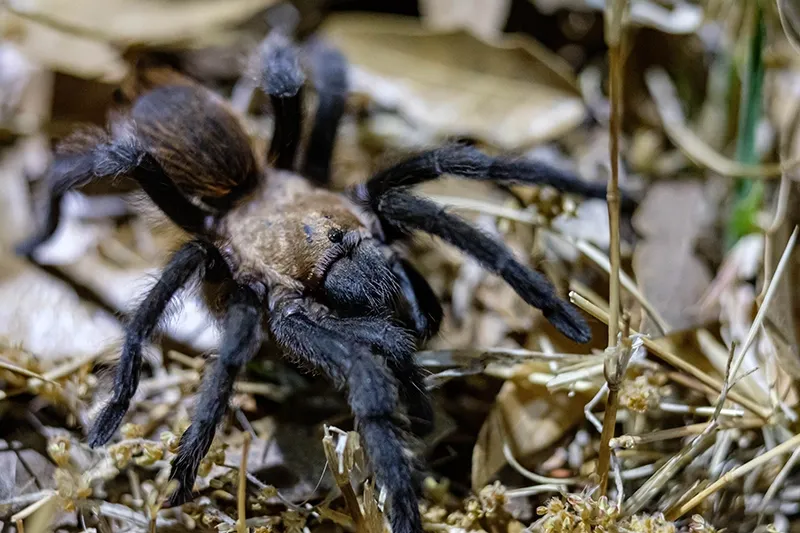
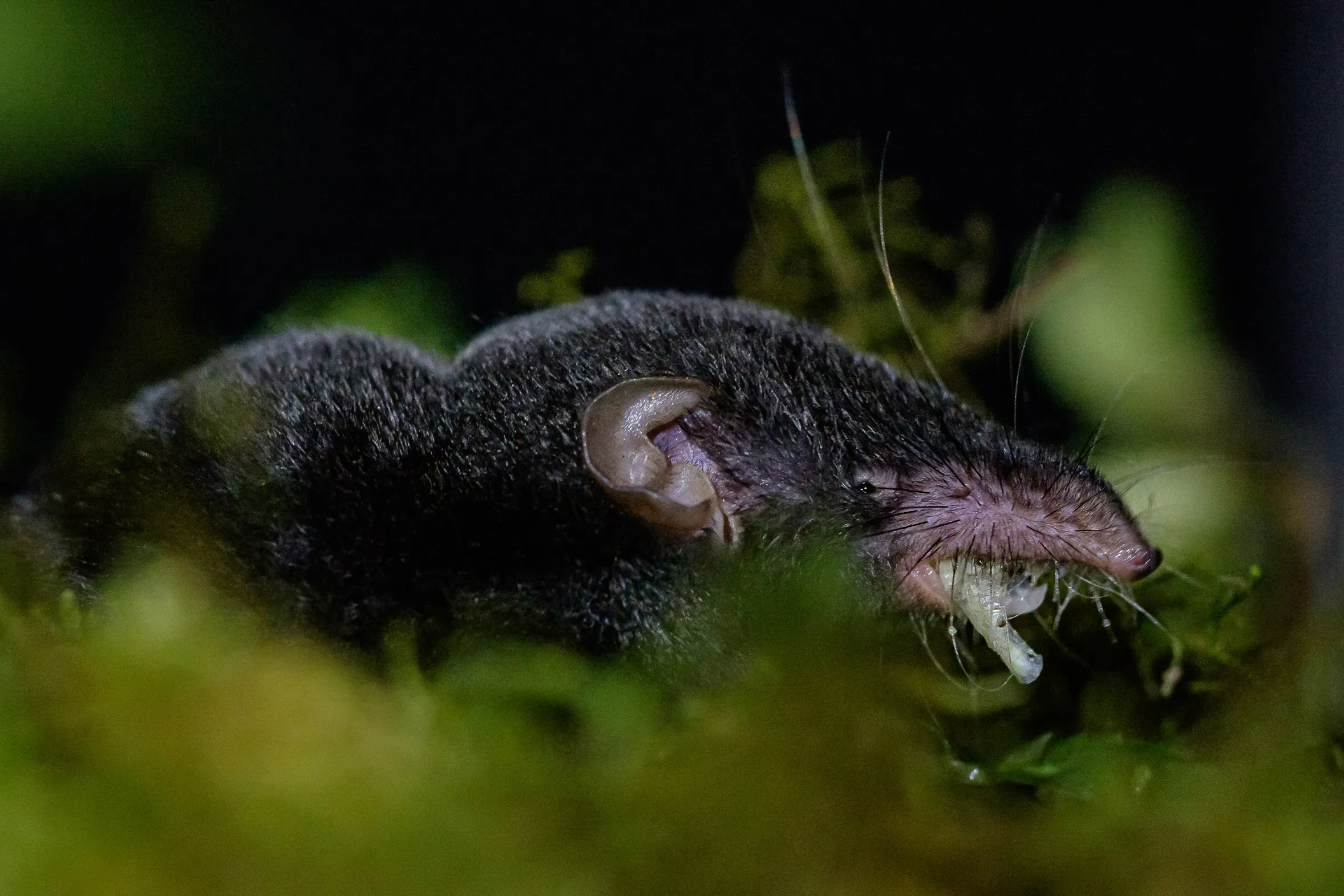
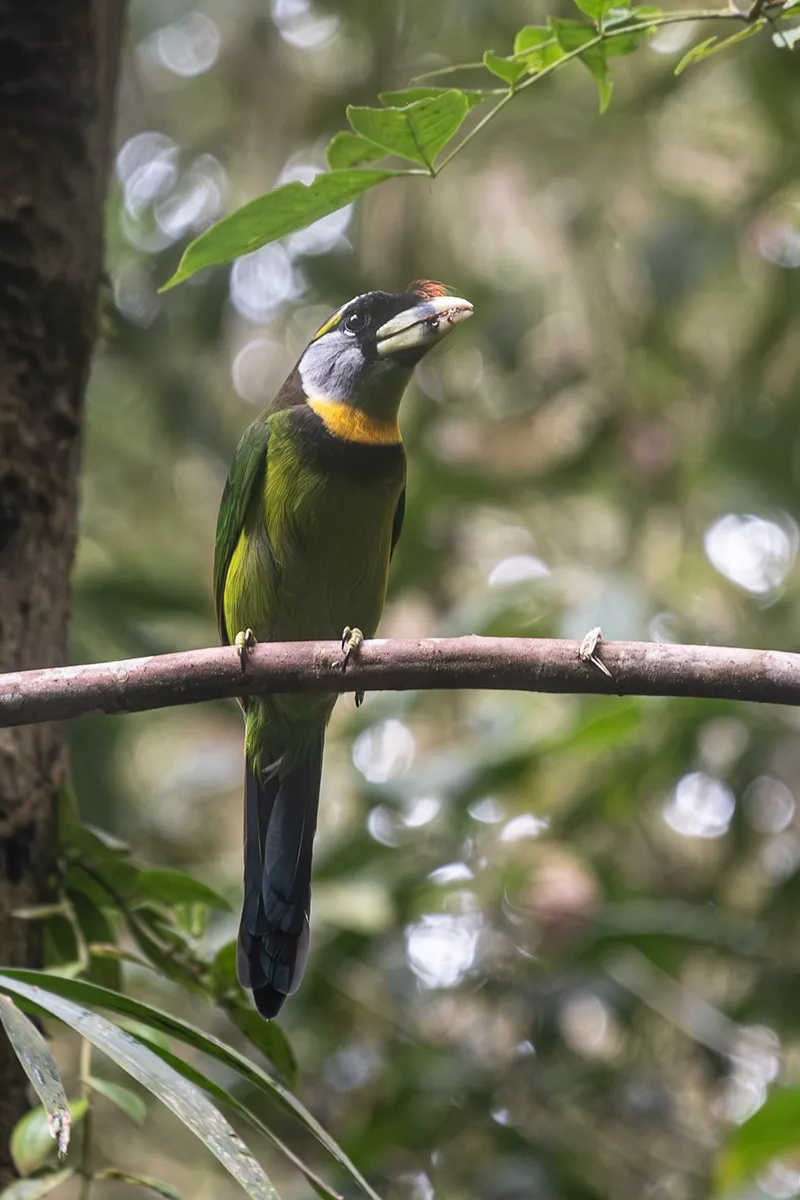
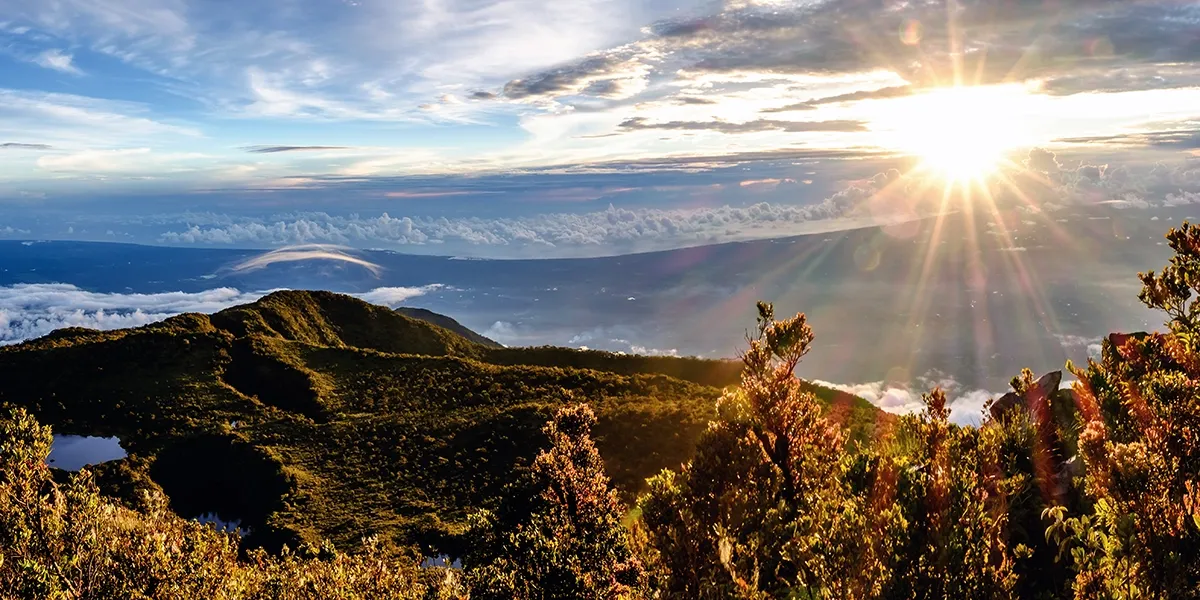
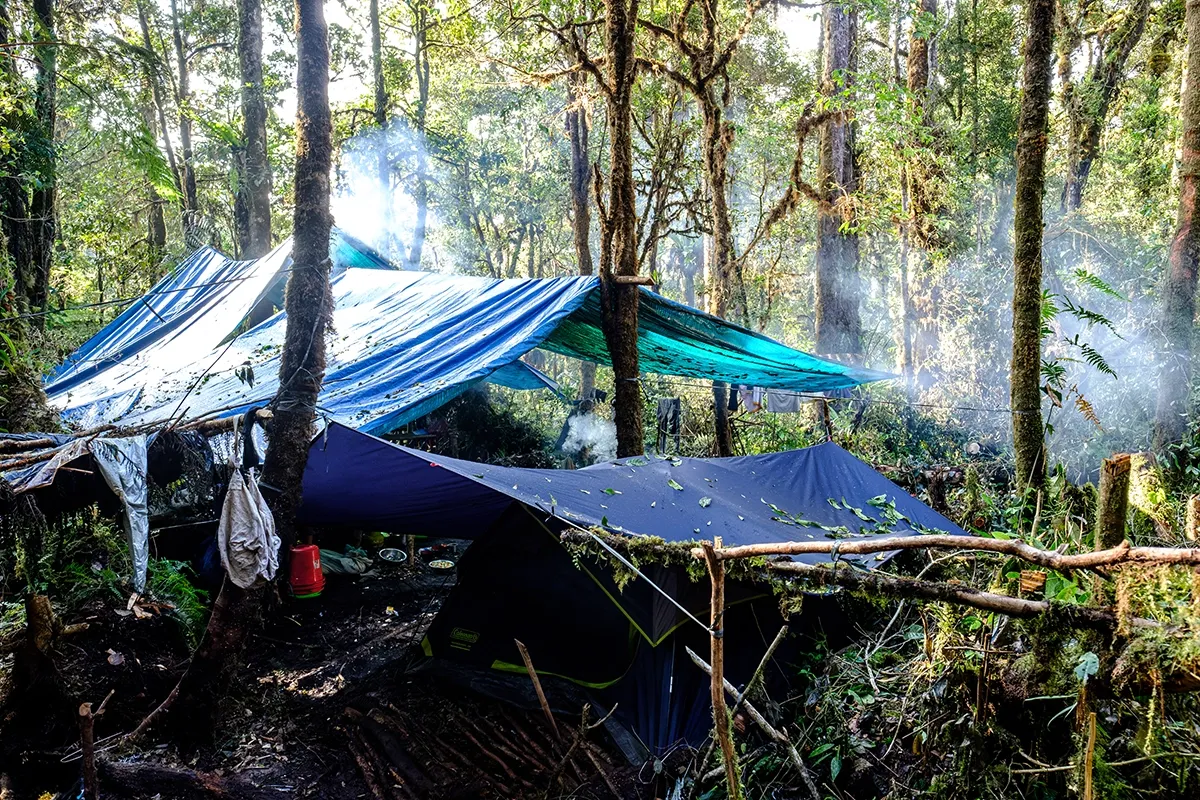
Photographs by Heru Handika.
Scroll for more
Capabilities
Attach photos, audio, and videos of specimens, habitats, and field notes directly to your collection records.
Mix taxa in a single project or separate in multiple projects. Each specimen gets a catalog format tailored to its taxon.
Create rich site profiles with unlimited coordinates and reuse them across specimens and events.
Document collection date, method, effort, and personnel, then link them to multiple specimens.
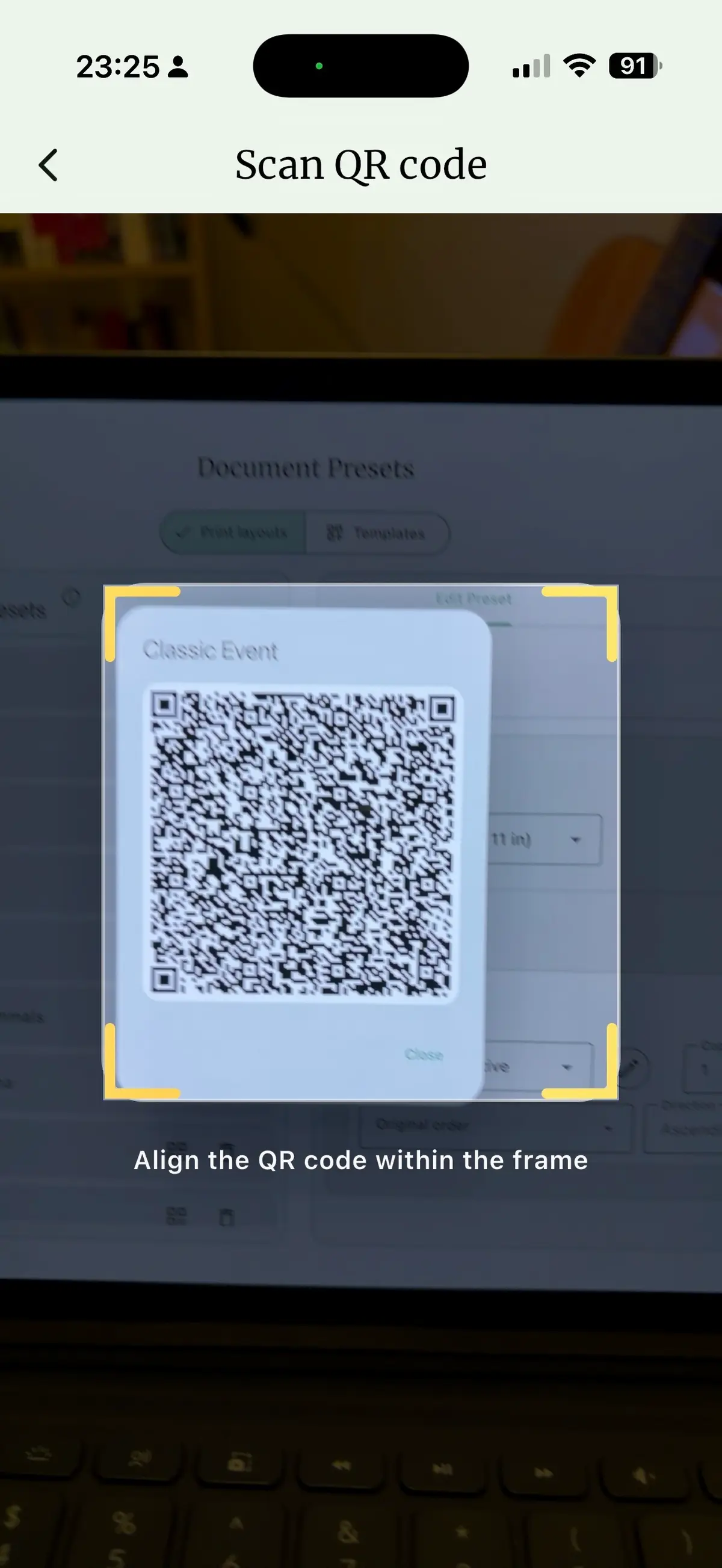
Track large sample sets with barcode and QR scanning via the device camera.
Monitor activity to make decision on collecting strategy, avoid collector bias, and prevent over-collection at a glance.
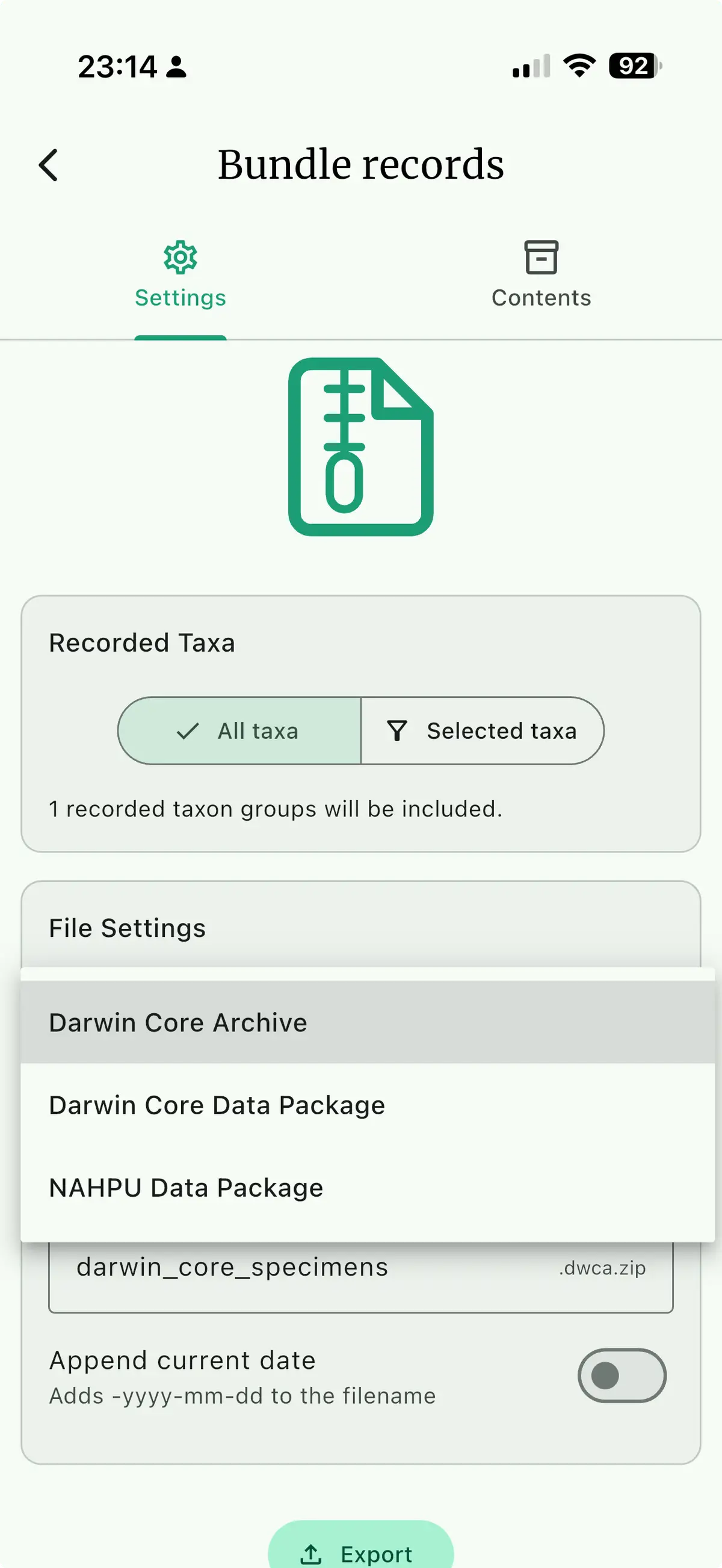
Share data with collaborators or bulk import it into a museum database.
Built on open-source stacks and data records and exports follow Darwin Core, FAIR principles, and Frictionless Data.
Not all at once
Moving your collection workflows to a digital catalog does not have to be all or nothing. If you are not ready to convert everything, use NAHPU where the spreadsheet used to sit and keep the associations it gives you for free.
Enter records in NAHPU instead of a sheet and export a tabular file whenever you need one. Everything downstream of the export carries on unchanged.
A specimen already points at its site, collecting event, personnel, parts, and photographs. No lookup formulas, no locality text copied between sheets, no coordinate flips, and no row that quietly refers to the wrong site.
Sites, specimens, tissue samples, and digital asset records stop living in separate files that drift apart between field seasons. They stay associated in the same catalog.
Collaboration
NAHPU is built by the people who carry it into the field. From the humidity, unpredictable weather, and lack of electricity in the mountains of Southeast Asia to the tall Andes and the riverine habitat deep in the Amazon in South America, and the dry climate of the North American desert, we poured this experience into building NAHPU. It is designed for fieldwork of any complexity across humid and cold, to hot and dry climates, and everything in between.
Interdisciplinary by design
Through collaboration with the Human Augmented Analytics Group, we brought software industry experience to NAHPU, and develop it into interdisciplinary research and training project with real-world application.
NAHPU is free to install and free to use. Start on the Get Started page, or follow the walkthrough that builds a project from the first site to the first exported record set.
Funding and support
NAHPU is free and open source, developed in part with the support of public research funding, a dedicated mammalogy fund, and institutional collaboration.
Federal research grant
Funding for this project was provided under two awards.
Endowed fund
Additional funding for this project managed at LSU Museum of Natural Science.
Logistical support
Provided logistical support for collaboration and development at the Georgia Institute of Technology.
Various other funding sources may have supported this project through the work of the contributors.
Any opinions, findings, and conclusions or recommendations expressed in this material are those of the authors and do not necessarily reflect the views of the funders.